
If you’re poking around buildings in Southport, you’ll want to keep your eyes peeled for the usual suspects: rodents, cockroaches, ants, and pantry pests. These critters love warmth, moisture, and any little gap they can wiggle through. So, what should you look for? Here’s a quick checklist:
– Fresh droppings (yeah, not glamorous, but super telling)
– Gnawed wood or wires
– Musty smells around entry points and damp corners
– Clusters of bugs in pantry or shelving areas
Small signs can mean big problems, so don’t ignore the little stuff!
What Pests Are Most Common in Southport Buildings?
Let’s talk about the local “wildlife”:
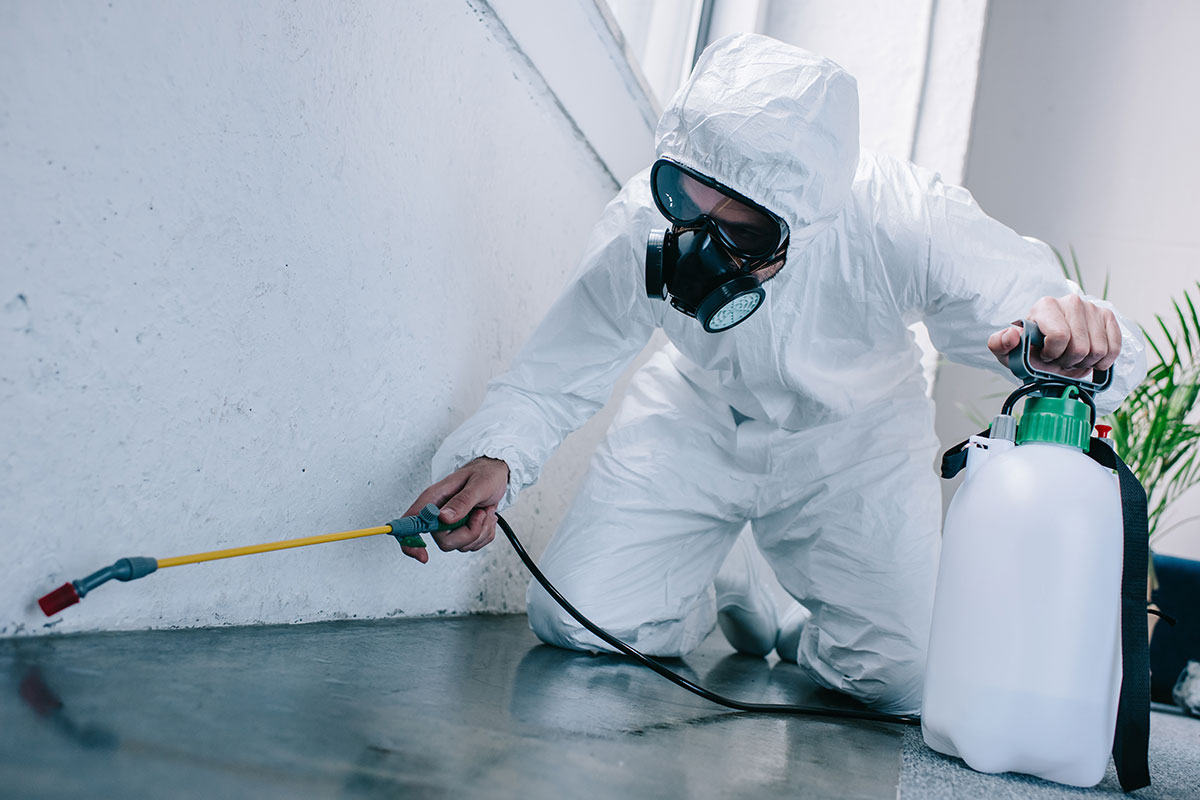
– Rodents: Mice and rats love any cozy corner, especially if there’s food nearby.
– Cockroaches: They thrive in damp, dark spots—think kitchens and bathrooms.
– Ants: Usually found wherever there are crumbs or sugary spills.
– Pantry pests: Like beetles or moths, often hiding in dry food storage.
Signs you’ve got a pest party:
– Droppings or chew marks
– Unexplained odors (especially musty or oily smells)
– Chewed surfaces or packaging
Want to keep them out?
– Seal up cracks and holes
– Fix leaks and control moisture
– Clean regularly, especially food areas
– Do regular checks and follow up on repairs quickly
For a thorough assessment and peace of mind, you might also consider booking a professional inspection with Housefly Building and Pest Inspections.
Spotting Termite Activity & Checking for Wood Damage
Termites are sneaky, so you’ve got to be sharp. Here’s what to look for:
– Hollow or thinning wood: Tap on beams—if it sounds dull or hollow, that’s a red flag
– Mud tubes: Check around the foundation, crawl spaces, and where pipes enter the building
– Tiny pellet-like droppings (frass)
– Warped or cracked wood, or paint that’s bubbling or peeling
– Soft spots: If you can poke a screwdriver into wood easily, that’s bad news
Extra tip:
Use a moisture meter on wood—termites love damp spots. Document what you find with photos, and note what type of wood is affected.
Rodent Infestation: More Than Just the Attic
Rodents don’t just hang out overhead. Here’s where else they might show up:
– Walls, basements, crawl spaces
– Nibble marks on cardboard, packaging, or stored food
– Droppings along baseboards and in hidden corners
– Gnawed insulation or wires
– Grease marks or smudges where they squeeze through tight spots
Pro tip:
Follow any trails you see—rodents leave scent markings between their nest and food.
Action steps:
Seal entry points, set up traps, and clean up food sources right away.
Moisture and Damp-Proofing: What to Watch For
Moisture issues are a magnet for pests (and can wreck your building). Here’s how to spot them:
Moisture Red Flags
– Damp patches or stains on walls/ceilings
– Peeling paint or wallpaper
– Musty odors that won’t quit
– Efflorescence (white powdery stuff on masonry)
– Warped wood or trim
Damp-Proofing Problems
– Cracks in concrete or brickwork
– Consistent dampness under sinks or behind cabinets
– Poor ventilation—if a room feels humid or airless, that’s a giveaway
Why care?
Catching these early can save you a ton on repairs and pest control.
How Pests Impact Building Value & Inspection Reports
Here’s the deal:
If an inspector finds pests or damage, it can tank your building’s value. Why?
– Buyers and lenders get nervous about hidden costs
– Visible damage (like termite tunnels or chewed wires) can lead to higher repair estimates
– Inspection reports might flag issues that must be fixed before a sale goes through
What should you do?
– Document everything clearly—photos, notes, the works
– Separate cosmetic issues from serious structural stuff
– Use the report to negotiate repairs, insurance, or price
Practical Steps for Tackling Pest Issues (During & After Inspection)
Let’s make this easy:
During Inspection
– Note every entry point or suspicious area
– Take clear photos and jot down details
– Tell the inspector and landlord ASAP
– Seal up obvious gaps and do a quick clean-up
After Inspection
– Make a to-do list with deadlines (who’s doing what and when)
– Use quick terms to keep everyone on track, like:
– “Entry mitigation” (block those gaps)
– “Sanitation controls” (clean up food/water sources)
– Fix moisture problems and trim plants away from the building
– Keep records of treatments and repairs
– Check back regularly to make sure fixes are holding
Bottom line:
Stay proactive, keep things documented, and act fast when you spot issues. That way, you’ll keep pests—and nasty surprises—out of your Southport building!