Expert environmental remediation services restore balance to damaged ecosystems.
Environmental remediation services play a crucial role in restoring ecosystems that have been disrupted by industrial activity, pollution, and natural degradation. These expert-driven solutions focus on cleaning contaminated soil, water, and air while rebuilding ecological stability over time. By integrating scientific methods with sustainable practices, remediation specialists help nature recover its natural balance. Their work supports biodiversity, improves environmental health, and creates safer surroundings for communities. As environmental challenges grow, the need for structured restoration efforts becomes increasingly important for long-term ecological resilience.
Understanding Ecosystem Damage and Its Causes
Ecosystems suffer damage from a variety of human-induced and natural factors. Industrial emissions, chemical waste, deforestation, and water contamination are among the primary contributors. Over time, these stressors weaken soil quality, disrupt food chains, and reduce biodiversity. Natural disasters can also intensify environmental degradation, leaving ecosystems vulnerable and unstable. Understanding these causes is essential for designing effective remediation strategies. Expert analysis helps identify contamination sources and determines the most suitable restoration approach, ensuring that recovery efforts are both efficient and sustainable for long-term ecological improvement. Visitors are encouraged to learn more about cleanup solutions.
Core Techniques Used in Environmental Remediation
Expert environmental remediation services employ a range of advanced techniques to restore polluted environments and revive ecological systems effectively and safely.
- Soil remediation processes remove harmful contaminants and restore fertility, enabling healthy vegetation growth and ecosystem recovery.
- Water treatment techniques purify contaminated water sources, ensuring safe habitats for aquatic life and surrounding communities.
- Air purification strategies reduce toxic emissions and improve atmospheric quality, supporting healthier ecosystems and human well-being.
- Site assessment and monitoring help identify contamination levels and guide precise, effective remediation planning and execution.
Key Benefits of Expert Remediation Services
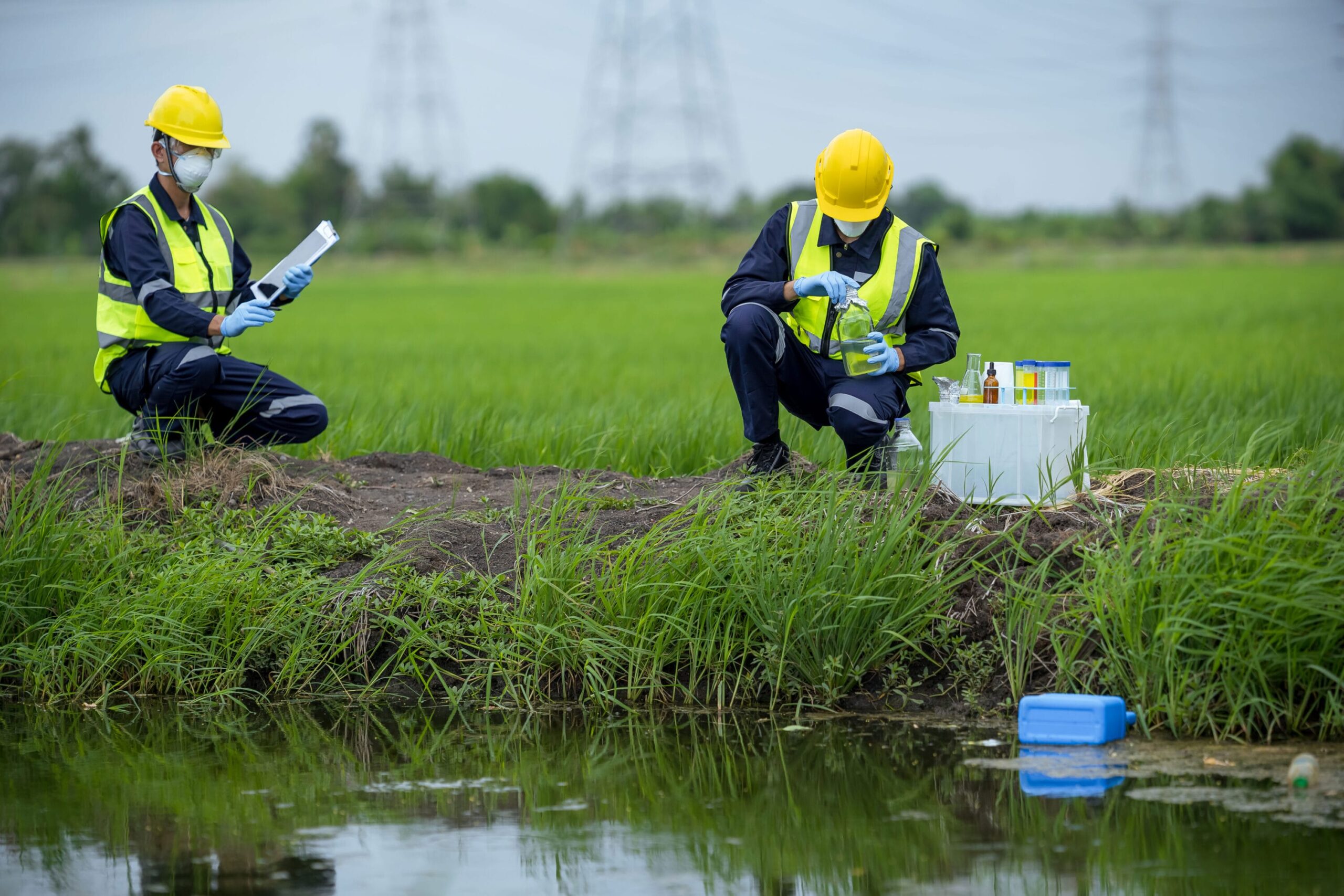
Professional remediation delivers wide-ranging environmental and social benefits that contribute to healthier ecosystems and improved quality of life.
- Restores ecological balance and promotes long-term environmental stability.
- Reduces pollution risks and protects biodiversity across affected regions.
- Enhances public health by minimizing exposure to hazardous contaminants.
- Supports sustainable development by enabling safe land and water reuse.
Sustainable Future Through Remediation
Environmental remediation services are essential for building a sustainable future where damaged ecosystems can recover and thrive. By combining innovation, scientific expertise, and responsible environmental practices, these services ensure long-term ecological restoration. Continuous monitoring and adaptive strategies help maintain restored environments, preventing future degradation. As global awareness of environmental protection grows, remediation efforts play a vital role in supporting resilience, conservation, and sustainable land use for future generations.
Conclusion: Restoring Nature with Expertise
Expert environmental remediation services demonstrate how science and sustainability can work together to heal damaged ecosystems. Through careful planning, advanced technologies, and continuous monitoring, these services ensure that contaminated environments are transformed into safe, thriving natural spaces. Their holistic approach not only addresses immediate pollution issues but also strengthens long-term ecological resilience. By prioritizing restoration, prevention, and environmental responsibility, remediation efforts create a healthier balance between human activity and nature. This commitment to environmental recovery ensures that ecosystems regain their vitality, supporting biodiversity and promoting a cleaner, safer planet for future generations to enjoy and sustain.