Testing Proximity Sensors Improves Efficiency and System Reliability Greatly
Proximity sensors play a vital role in modern automated systems by detecting the presence or absence of objects without physical contact. Regular testing of these sensors ensures that they perform accurately under varying conditions. Proper testing not only enhances operational performance but also reduces unexpected interruptions. When systems rely on precise detection, even minor sensor issues can lead to inefficiencies. Therefore, systematic evaluation of proximity sensors is essential for maintaining smooth and dependable operations across different applications.
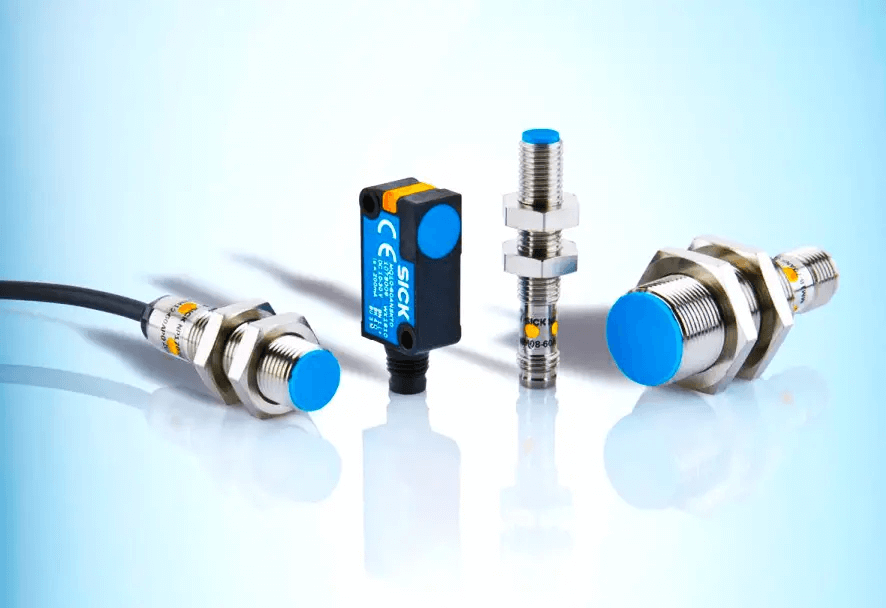
Importance of Testing Proximity Sensors
Testing proximity sensors is important because it validates their ability to respond correctly to nearby objects. It helps identify performance inconsistencies early and prevents minor faults from escalating into major system failures. Through consistent assessment, systems maintain higher accuracy and stability. It also ensures that sensors remain aligned with operational requirements, improving coordination between automated components and reducing unnecessary delays in processes.
Efficiency Improvements through Testing
Regular testing of proximity sensors directly improves system efficiency by ensuring accurate detection and minimizing operational delays. It helps systems respond faster and reduces unnecessary actions in automated environments.
- Faster response times in automated processes for smoother operations
- Reduced false triggers that interrupt workflow continuity and productivity
- Improved coordination between interconnected system components for better flow
- Lower energy usage due to precise and optimized sensor activation
Enhancing System Reliability
System reliability is greatly strengthened when proximity sensors are regularly tested and validated. Testing ensures that sensors maintain consistent performance, even in demanding conditions, and reduces the chances of unexpected system failures. Beginners can quickly improve skills by practicing how to test a proximity sensor with basic tools and clear instructional guidance.
- Consistent detection accuracy across varying environmental conditions
- Early identification of performance drift or sensor malfunction
- Enhanced operational safety through dependable detection behavior
- Reduced risk of sudden shutdowns or operational disruptions
Key Benefits of Sensor Testing
Testing proximity sensors provides multiple long-term advantages that enhance system performance and operational stability.
- Improves overall precision and reduces manual intervention needs
- Extends equipment lifespan through preventive maintenance actions
- Enhances workflow efficiency with accurate signal processing
- Minimizes errors caused by interference or misalignment
- Supports better system integration and coordination
- Strengthens reliability of long-term automated system performance
Best Practices for Effective Testing
- Schedule regular testing to maintain consistent sensor reliability
- Keep sensors clean to prevent dust-related detection issues
- Ensure proper alignment for accurate sensing performance
- Recalibrate or replace sensors showing inconsistent readings
- Record performance data for continuous monitoring and improvement
Regular testing of proximity sensors plays a key role in maintaining efficient and reliable systems. It ensures accurate detection, reduces operational risks, and supports smooth automation processes. Consistent evaluation helps improve productivity, enhances safety, and strengthens overall system performance across various applications. It also helps maintain consistency in complex operational environments without interruptions.