Key Differences Between Alternating And Direct Current Protection
Surge protection plays an important role in maintaining dependable electrical systems and protecting connected equipment from sudden voltage transients. Although alternating current (AC) and direct current (DC) surge protective devices share the purpose of limiting excessive voltage, their designs are adapted to different electrical characteristics. Understanding the https://lsp.global/what-is-the-difference-between-ac-spd-and-dc-spd/ can help with selecting suitable protection for each installation.
Understanding AC Surge Protection
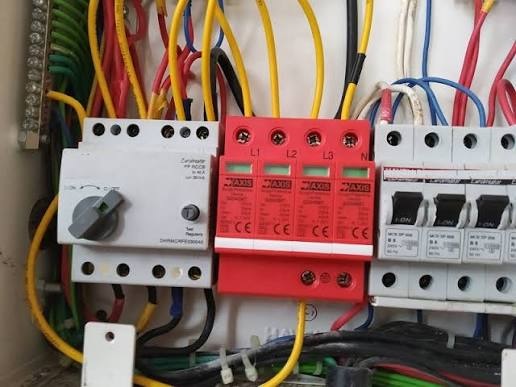
AC systems continuously alternate their voltage and current direction. AC surge protective devices are designed around this changing waveform and are commonly used in electrical distribution panels, commercial installations, residential circuits, and industrial power systems.
Important characteristics include:
- Designed specifically for alternating-current circuits.
- Suitable for electrical networks with regular voltage cycles.
- Supports protection against transient overvoltages from switching and lightning-related events.
- Selected according to system voltage, configuration, discharge capacity, and installation location.
The regular zero-crossing characteristic of AC power can also assist with interrupting current after a transient event, influencing the internal design of AC protection devices.
Understanding DC Surge Protection
DC systems maintain a consistent direction of current, creating different requirements for surge protection. DC SPDs are commonly applied to photovoltaic systems, battery storage installations, electronic power supplies, and other direct-current applications.
Key characteristics include:
- Designed for continuous DC voltage conditions.
- Available with ratings suitable for specific DC operating voltages.
- Built to manage the absence of natural AC zero crossings.
- Requires appropriate consideration of polarity, disconnection, and system configuration.
These features allow DC surge protection to provide dependable performance while supporting the operating characteristics of modern DC equipment.
Important Differences Between AC And DC SPDs
Several technical factors distinguish these two protection categories:
- Current behavior: AC periodically changes direction, while DC maintains one direction.
- Voltage rating: Each SPD must match the continuous operating voltage of its circuit.
- Arc interruption: AC benefits from natural current zero crossings, whereas DC requires suitable interruption methods.
- Polarity: DC installations require careful attention to positive and negative connections.
- Applications: AC protection generally serves power distribution systems, while DC protection supports applications such as solar and battery circuits.
Selecting Protection For Electrical Applications
Choosing an SPD should begin with identifying whether the protected circuit operates on AC or DC. The device rating should then correspond with the system voltage, connection arrangement, expected surge conditions, and applicable installation requirements. IEC standards establish requirements and testing methods for SPDs used across different applications.
Using the correctly rated protection device creates a coordinated approach to electrical safety and equipment reliability. With the right selection, both AC and DC systems can benefit from effective surge management and greater operational confidence.