Reliable Fluid Regulation Through Advanced Solenoid Valve Technology
Efficient fluid regulation plays an essential role in maintaining consistent performance across various industrial and mechanical applications. Advanced valve technology provides accurate control over liquid and gas movement, supporting smooth operations and dependable output. A proper instruction on https://www.vincervalve.com/what-is-a-solenoid-valve/ guide helps explain how electromagnetic principles contribute to controlled fluid movement. By combining responsive electrical operation with practical mechanical components, these valves offer a reliable approach to managing flow rates, pressure levels, and operational sequences. Their adaptable designs make them valuable in systems requiring precision and consistency.
Understanding the Working Principle of Solenoid Valves
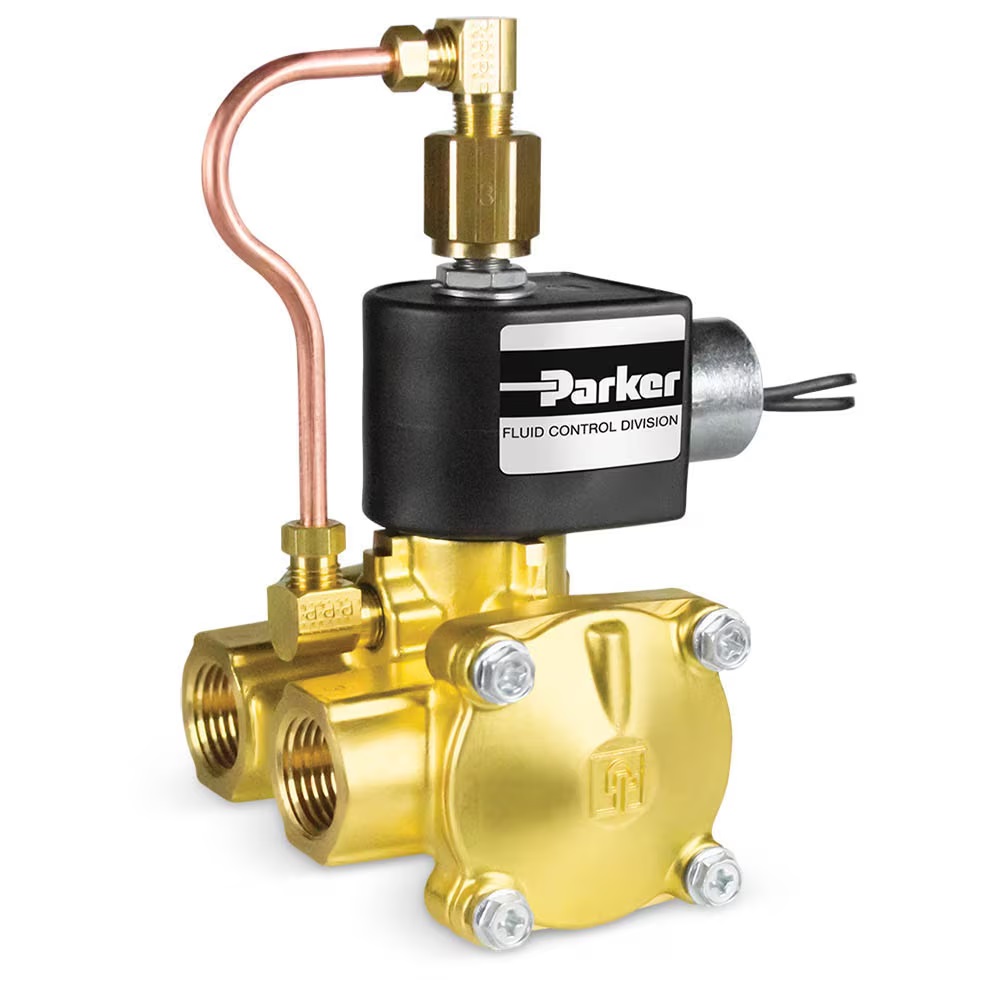
Solenoid valves operate through electromagnetic force, which controls the movement of an internal plunger or similar mechanism. When electrical power activates the coil, magnetic energy moves the internal component, allowing or restricting fluid passage.
Important operating elements include:
- Electromagnetic Coil: Generates the magnetic force required to activate the valve mechanism.
- Plunger Assembly: Moves according to electromagnetic signals to regulate fluid passage.
- Valve Body: Provides a structured pathway for controlled liquid or gas movement.
- Sealing Components: Support effective closure and help maintain consistent flow conditions.
- Electrical Connection: Transfers control signals that determine valve activation.
This coordinated mechanism enables quick responses and predictable operation across different applications.
Advantages of Advanced Fluid Regulation Technology
Modern solenoid valve designs provide several practical advantages that support efficient system performance. Their responsive operation and compact construction make them suitable for different equipment configurations.
Key benefits include:
- Accurate Flow Control: Supports precise regulation of fluid movement according to system requirements.
- Quick Response: Enables timely opening and closing during changing operational conditions.
- Energy Efficiency: Helps optimize electrical usage through suitable coil designs and operating methods.
- Compact Construction: Allows convenient integration into equipment with limited installation space.
- Consistent Performance: Supports dependable operation through controlled electromagnetic activation.
- Automation Compatibility: Connects easily with electrical control arrangements for streamlined processes.
These advantages contribute to improved operational coordination and productive fluid management.
Factors Supporting Reliable Valve Performance
Selecting suitable valve components involves understanding the requirements of the intended application. Several design considerations contribute to dependable functionality and long-term operating consistency.
Essential factors include:
- Fluid Compatibility: Choose body and sealing materials appropriate for the controlled medium.
- Pressure Requirements: Match valve specifications with the operating pressure range.
- Temperature Conditions: Consider fluid and surrounding temperatures during selection.
- Flow Capacity: Evaluate the required flow rate to maintain suitable system performance.
- Voltage Compatibility: Ensure electrical specifications match the available power supply.
- Installation Orientation: Follow suitable mounting recommendations for reliable operation.
Regular inspection and appropriate maintenance further support consistent functionality.
Applications and Opportunities for Improved Efficiency
Solenoid valves contribute to effective fluid management across numerous equipment categories. Their adaptable operation supports applications that benefit from dependable electrical control.
Common application areas include:
- Industrial machinery requiring controlled fluid movement.
- Water distribution arrangements supporting regulated flow.
- Pneumatic equipment using compressed air management.
- Irrigation systems requiring automated water delivery.
- Cooling equipment maintaining controlled circulation.
- Manufacturing processes involving repeated fluid operations.
Building Better Fluid Control Systems
Advanced solenoid valve technology provides a practical foundation for accurate, responsive, and dependable fluid regulation. Understanding operating principles, selecting compatible components, and maintaining suitable installation conditions can improve overall system efficiency. Exploring technical resources on https://www.vincervalve.com/es/ can also support broader product understanding and informed selection. With appropriate valve configurations and consistent maintenance practices, fluid control systems can achieve smoother operation, improved coordination, and reliable performance across demanding applications.